How Businesses Have Been Forced to Adapt to Technology—Fast. And Why Generative Engine Optimization Is the Next Non-Negotiable Shift
Change in business used to move in cycles. Today, it moves in waves—rapid, accelerating, and unforgiving. Each major technological shift has rewritten the rules for how companies attract customers, communicate value, and stay competitive. And each time, businesses faced a choice: adapt early and lead… or adapt late and struggle to catch up.
We’ve seen this pattern before—with websites, mobile usability, and social media. Now we’re seeing it again with AI and Generative Engine Optimization (GEO).
Below is a cause-and-effect look at how these shifts unfolded—and why GEO is the next “do-or-delay-at-your-own-risk” moment.
1. The Website Era: The First Great Digital Sorting Hat
In the mid-to-late 90s, businesses faced a revolutionary question:
“Do we really need a website?”
Many said no. They relied on word of mouth, print ads, or directory listings. But as consumer behavior moved online, websites quickly became the new storefront—and not having one was synonymous with not existing.
Cause and Effect
- Cause: Consumers began searching online before buying.
- Effect: Businesses without websites saw visibility and credibility collapse.
Perils of Delay
Companies that waited found:
- Competitors dominating early search rankings.
- Higher costs to catch up later.
- Lost trust from customers who had already formed digital habits.
The pattern begins.
2. Mobile-Friendly Websites: Adapt Again or Lose Half Your Audience
By the 2010s, smartphones changed how people consumed the internet. A website alone was no longer enough—it had to work flawlessly on mobile.
Google’s “Mobilegeddon” update in 2015 cemented this reality by penalizing sites that weren’t mobile-friendly.
Cause and Effect
- Cause: Mobile traffic surpassed desktop traffic.
- Effect: Non-mobile-optimized sites instantly dropped in search rankings.
Perils of Delay
Businesses that failed to update saw:
- Higher bounce rates
- Lower conversion rates
- Lost search visibility
- Perception of being outdated
Again, early adopters surged ahead while laggards paid the price.
3. Social Media: Visibility Became Conversation
Next came the era of social platforms—Facebook, Instagram, LinkedIn, YouTube, TikTok. Suddenly, businesses weren’t just expected to be online—they were expected to participate, engage, and build community.
Social media wasn’t optional; it became a megaphone, a customer service channel, a reputation engine.
Cause and Effect
- Cause: Users began spending more time on social platforms than on websites.
- Effect: Brands needed to show up where audiences were actually paying attention.
Perils of Delay
Businesses slow to adopt social media suffered:
- Limited brand awareness
- Lost cultural relevance
- Higher paid advertising costs to compensate later
- A widening gap between them and digitally native competitors
The pace of change accelerated again.
4. The AI Era and GEO: Search Has Changed Forever
Today we are on the cusp of the most transformative leap yet:
AI-driven search and Generative Engine Optimization.
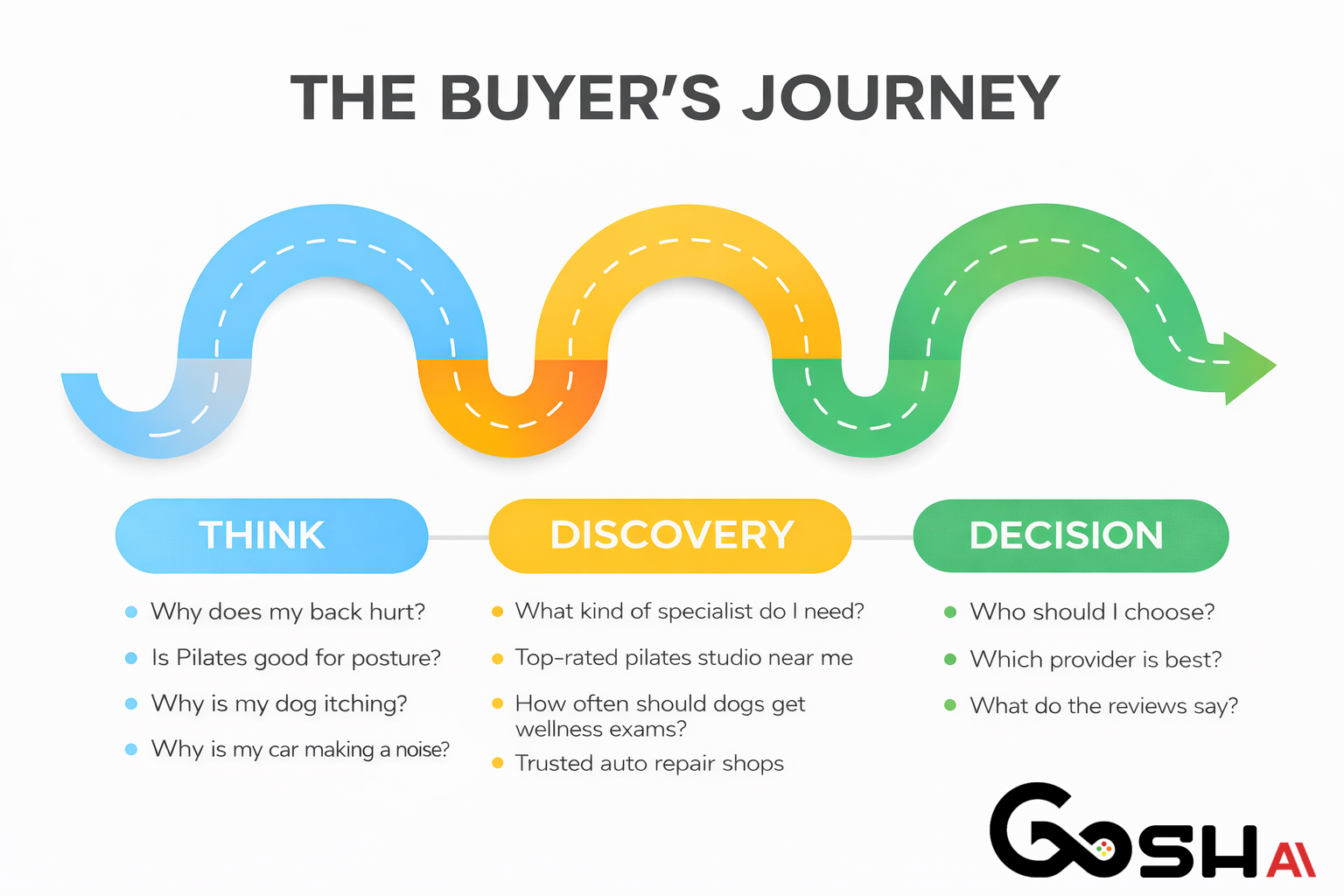
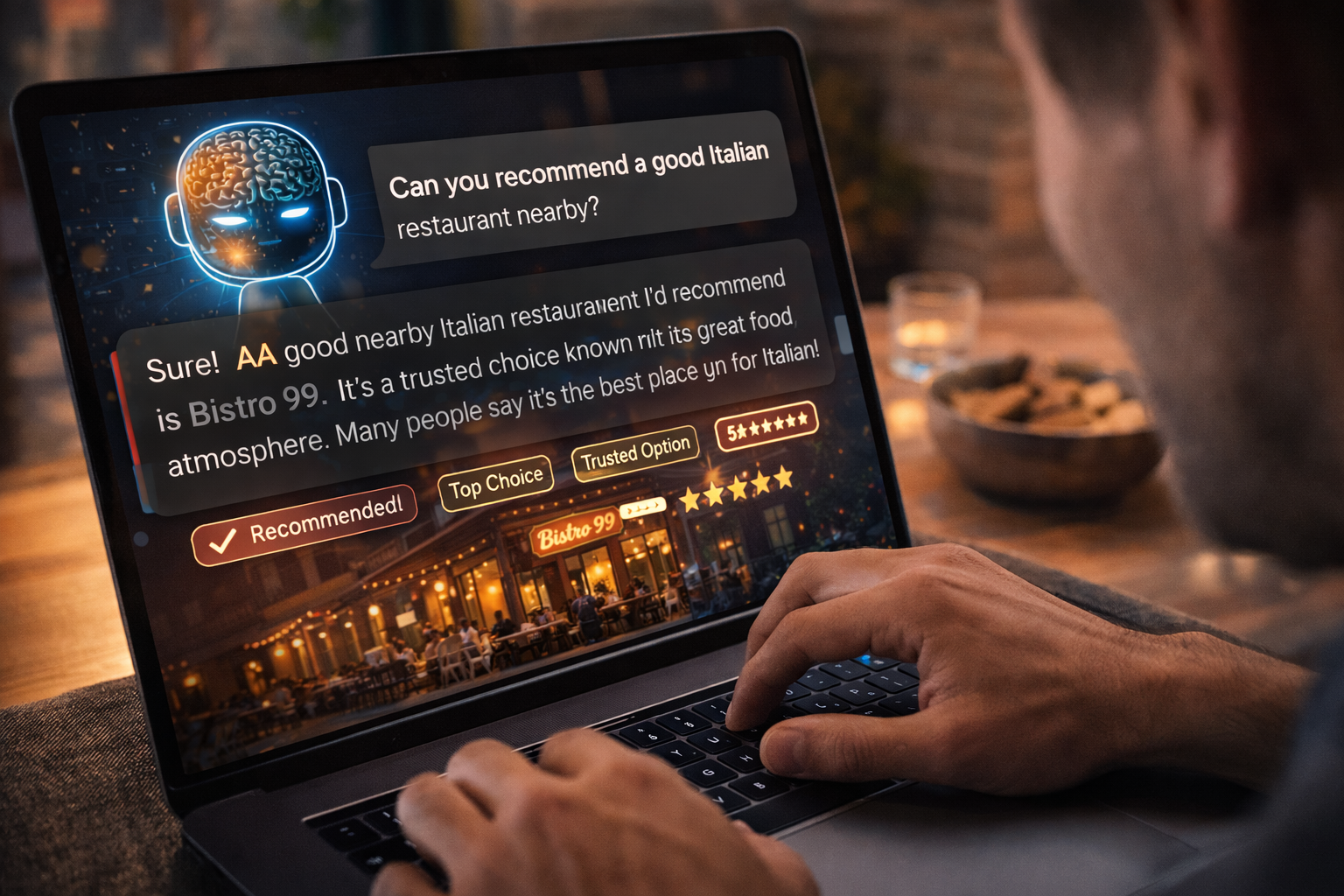
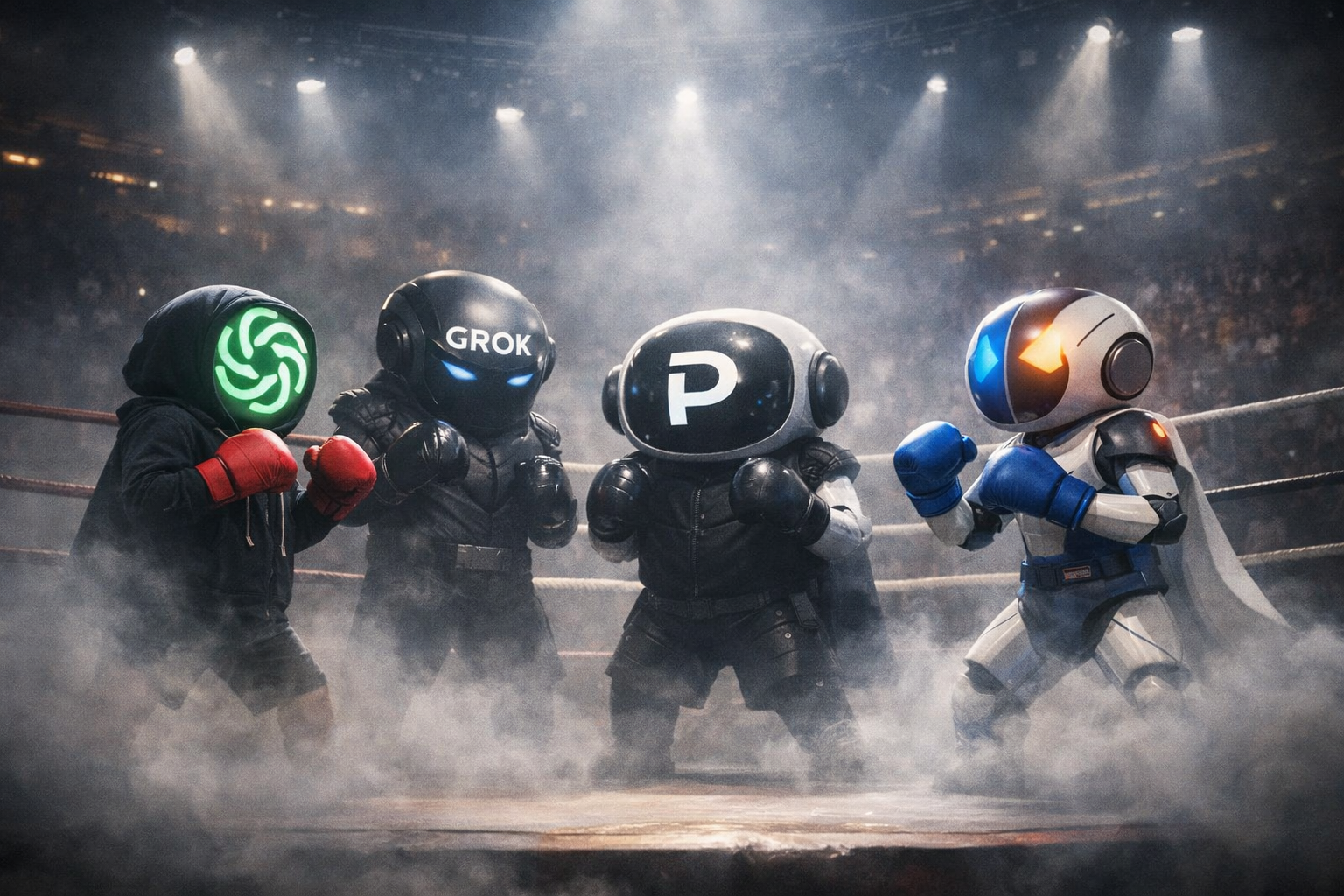
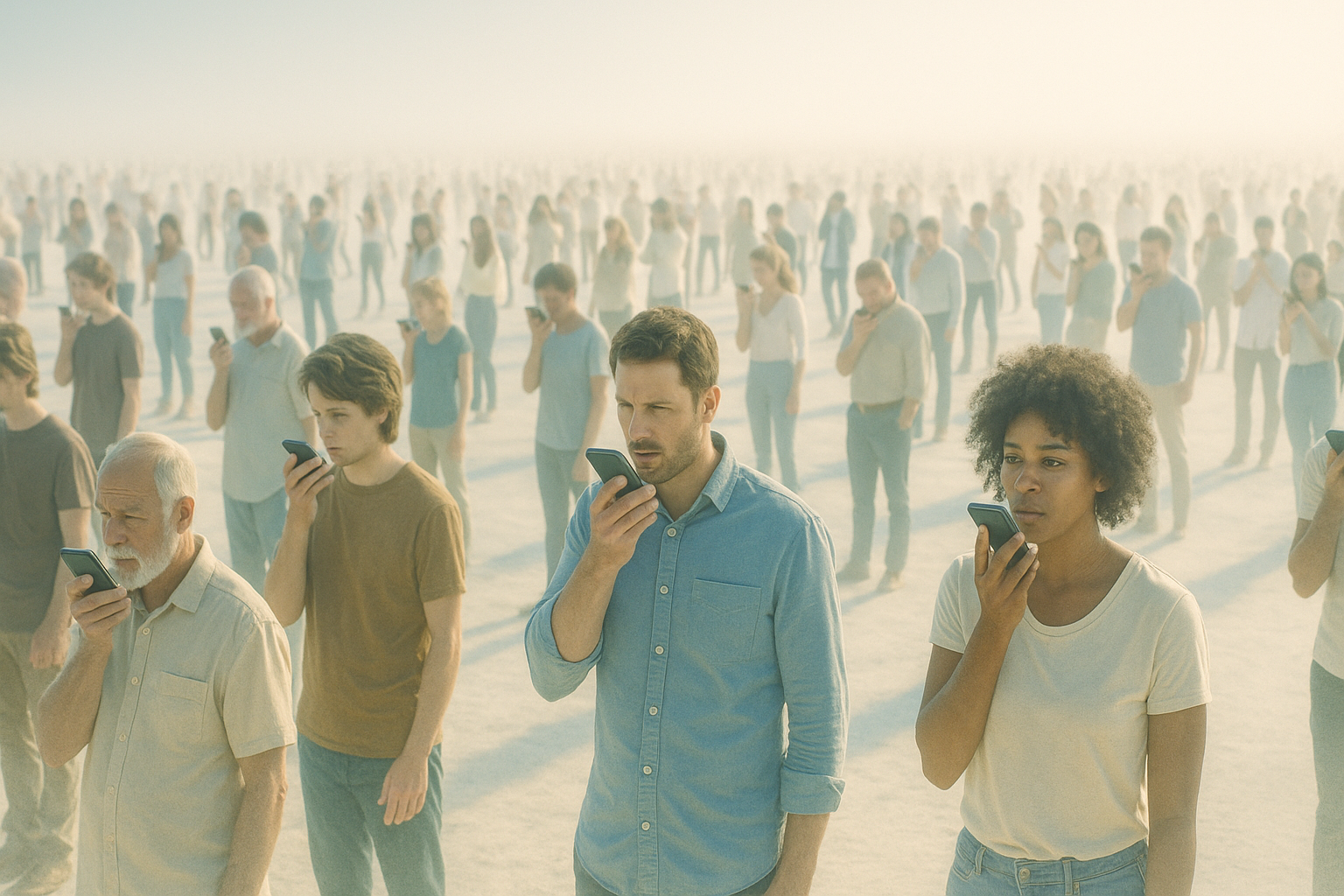
Consumers are increasingly turning to AI models—ChatGPT, Gemini, Claude, Perplexity, Siri, Alexa, and others—for answers instead of traditional search engines.
These models don’t deliver pages of links.
They deliver one answer.
That means the fight is no longer for page 1 of Google—
it’s for position zero in generative engines.
This is why GEO (Generative Engine Optimization) has emerged as the new frontier.
Cause and Effect
- Cause: AI engines now synthesize information and recommend businesses directly.
- Effect: Companies must structure content so AI tools understand, trust, and surface their brand in generated answers.
Perils of Delay
Businesses that wait to adopt GEO will experience:
- Their competitors becoming the “default recommendation” in AI tools
- Reduced visibility as AI answers replace traditional search
- Content being ignored because AI models haven’t been trained on it
- Increased cost and difficulty later, when catching up means fighting entrenched competitors already “known” to AI systems
The consequences will be faster and more severe than previous tech shifts because AI engines learn and reinforce patterns rapidly.
Why GEO Is a Must—Now, Not Later
Every major digital shift has followed the same mathematical pattern:
- Early adopters gain exponential benefit.
- Late adopters pay exponentially more to catch up.
GEO is no different—but the stakes are higher. With AI, the gap between leaders and laggards won’t just be pages on Google—it will be algorithmic preference baked into millions of daily AI queries.
If AI models don’t see your business, neither will customers.
GEO ensures that AI engines:
- Recognize your brand
- Trust your content
- Cite your business in generated answers
- Recommend your products or services
- Understand your expertise
In other words, GEO is the new SEO, except more powerful and less forgiving.
History Has Spoken: Delay Always Costs More
- Businesses that dismissed websites? Gone.
- Businesses late to mobile? Penalized.
- Businesses slow to social? Outshined by competitors.
And now, businesses who ignore GEO will be overshadowed by brands that mastered AI visibility first.
GEO isn’t optional. It’s inevitable.
You can either shape how AI talks about your business now—or let your competitors determine it for you.
Technology doesn’t wait for anyone.
Customers don’t wait either.
Search behavior is shifting faster than ever.
Just as with websites, mobile, and social media, the businesses who win are the ones who:
- Pay attention early
- Adapt quickly
- Leverage new technologies instead of fearing them
GEO is the next chapter in that story.
Whether businesses embrace it now or later, one thing is certain:
Later will be too late.